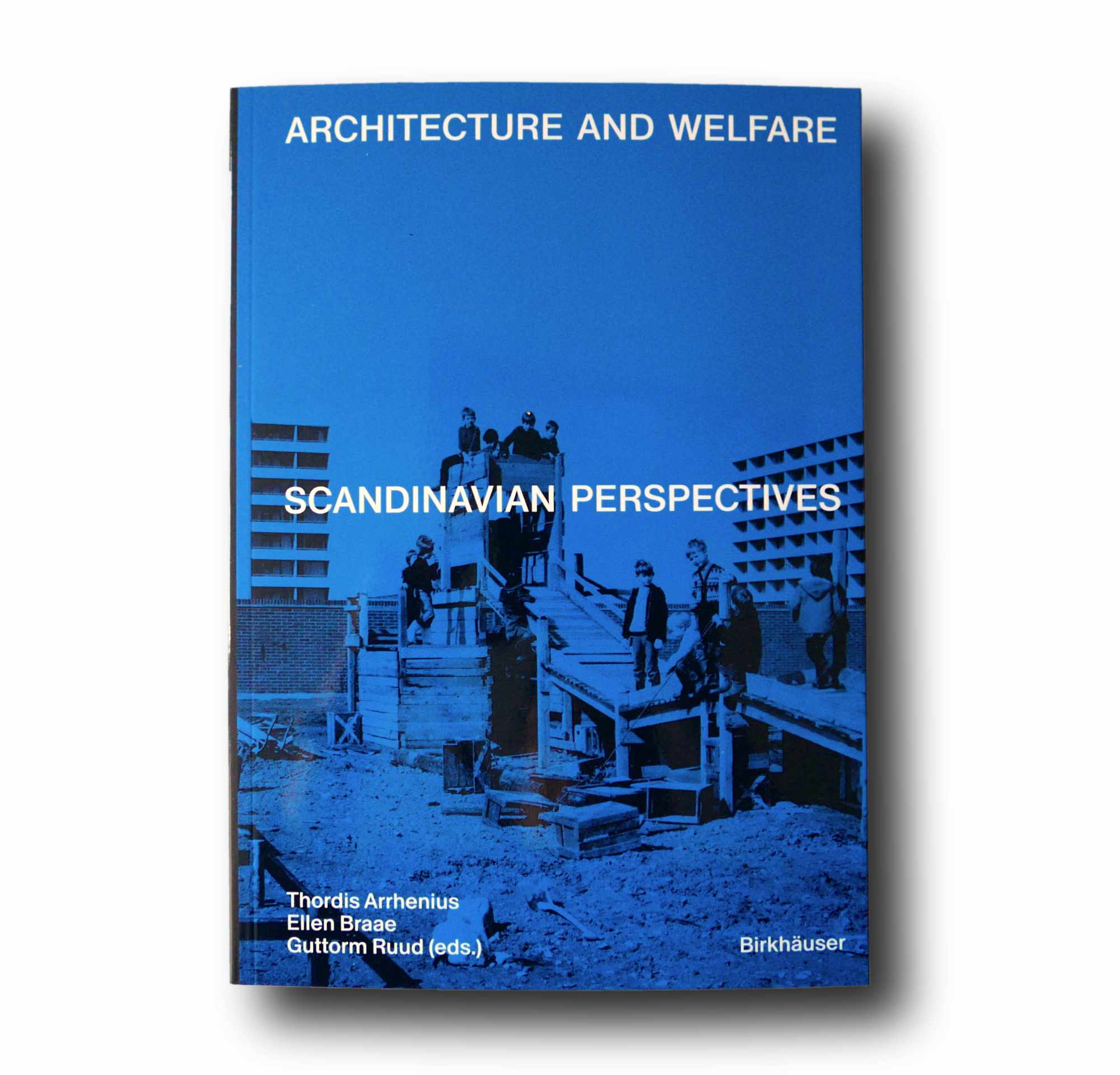
Architecture and Welfare: Scandinavian Perspectives (eds. Thordis Arrhenius, Ellen Braae & Guttorm Ruud; Birkhäuser 2025) analyses the realisation of welfare state policy in the Nordic countries. The book is based on an interdisciplinary research project by KTH Stockholm, the Oslo School of Architecture, and the University of Copenhagen.
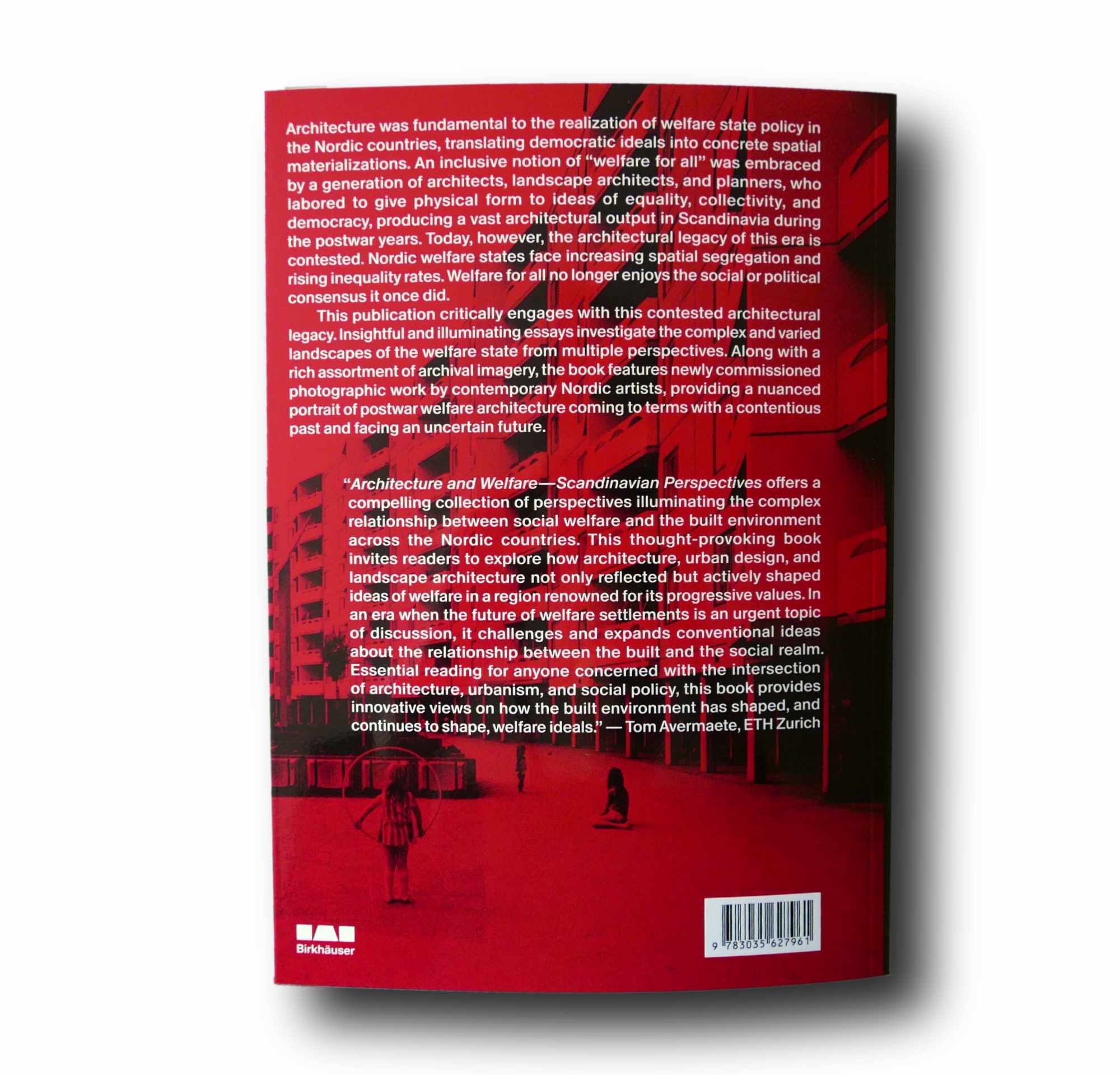
Architecture was fundamental to the realization of welfare state policy in the Nordic countries, translating democratic ideals into concrete spatial materializations. An inclusive notion of “welfare for all” was embraced by a generation of architects, landscape architects, and planners, who labored to give physical form to ideas of equality, collectivity, and
democracy, producing a vast architectural output in Scandinavia during the postwar years. Today, however, the architectural legacy of this era is contested. Welfare for all no longer enjoys the social or political consensus it once did.
This publication critically engages with this contested architectural legacy and provides a nuanced portrait of postwar welfare architecture coming to terms with a contentious past and facing an uncertain future
– Architecture and Welfare: Scandinavian Perspectives (eds. Thordis Arrhenius, Ellen Braae & Guttorm Ruud; Birkhäuser, 2025),book description from the publisher’s website
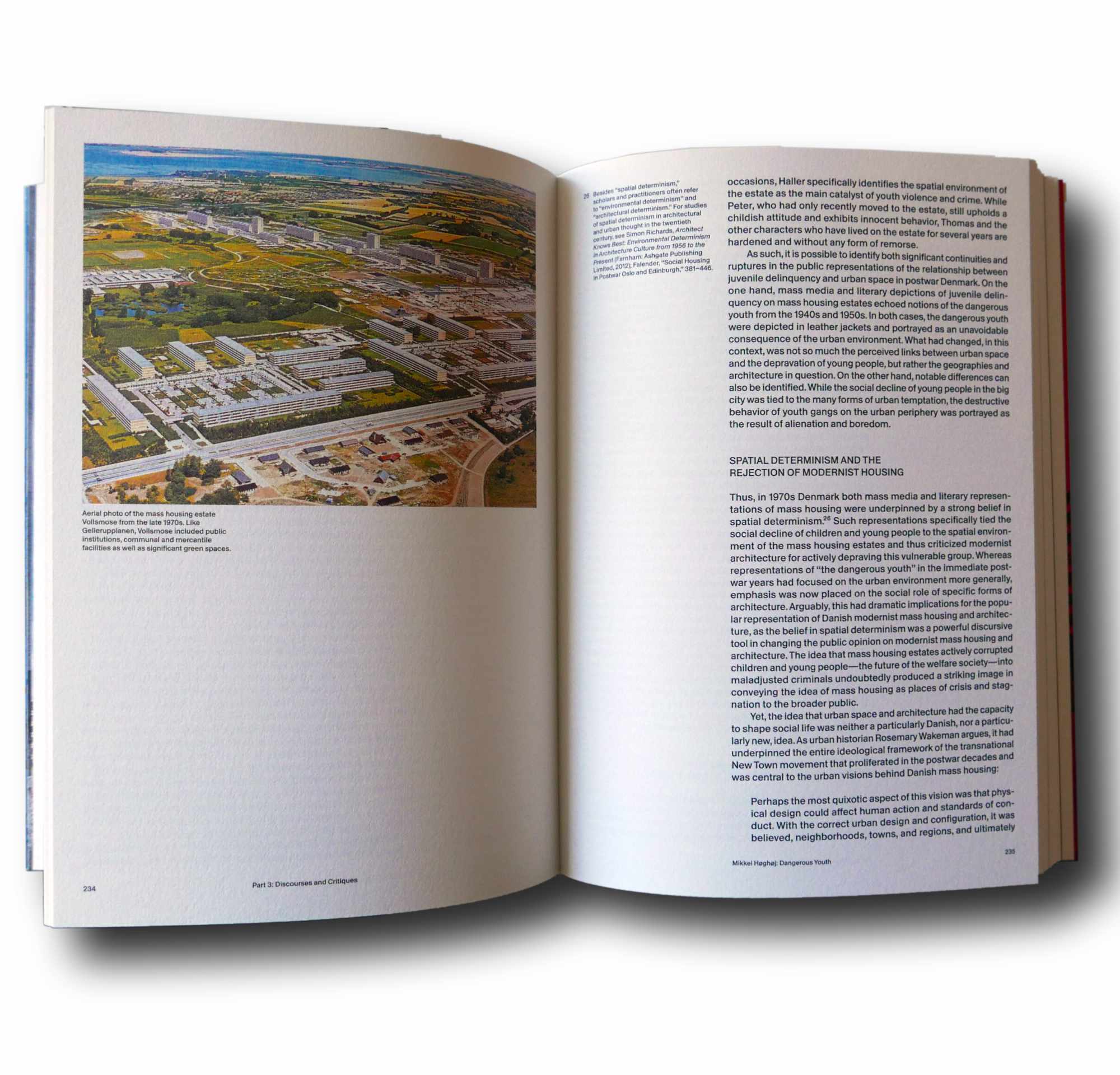
The text is in English. The book is richly illustrated with photographs, including newly commissioned photographic work by contemporary Nordic artists.